←
Berta Blanca T. Ivanow
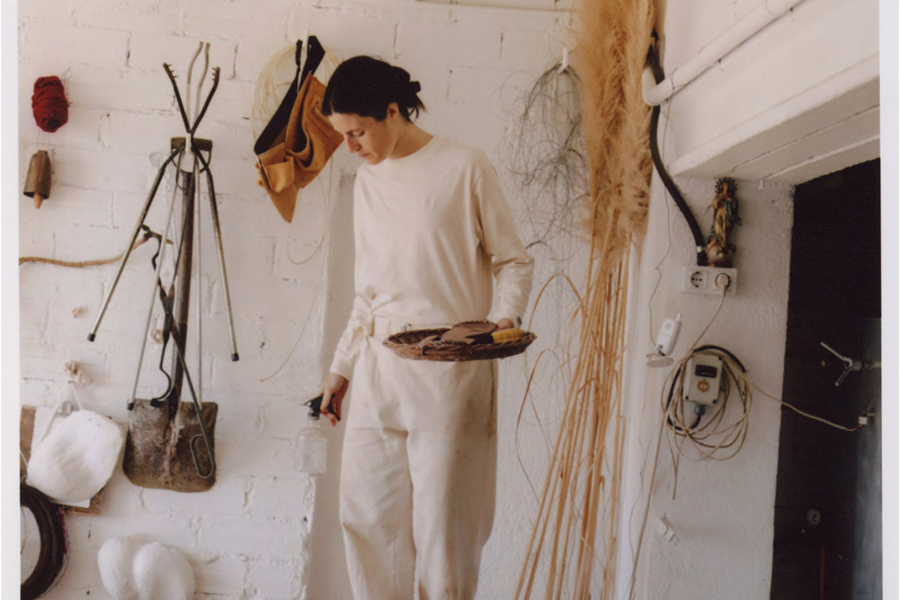
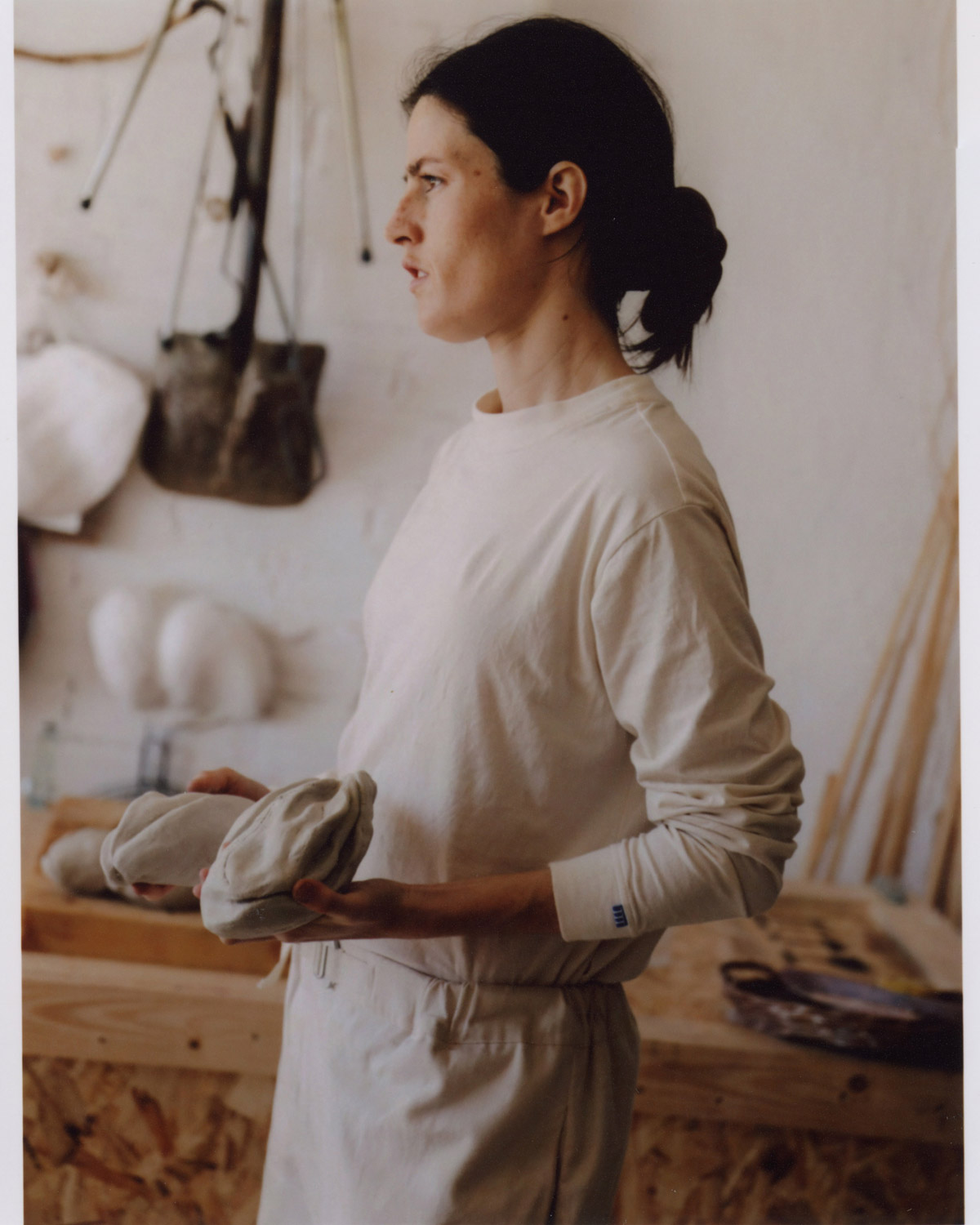
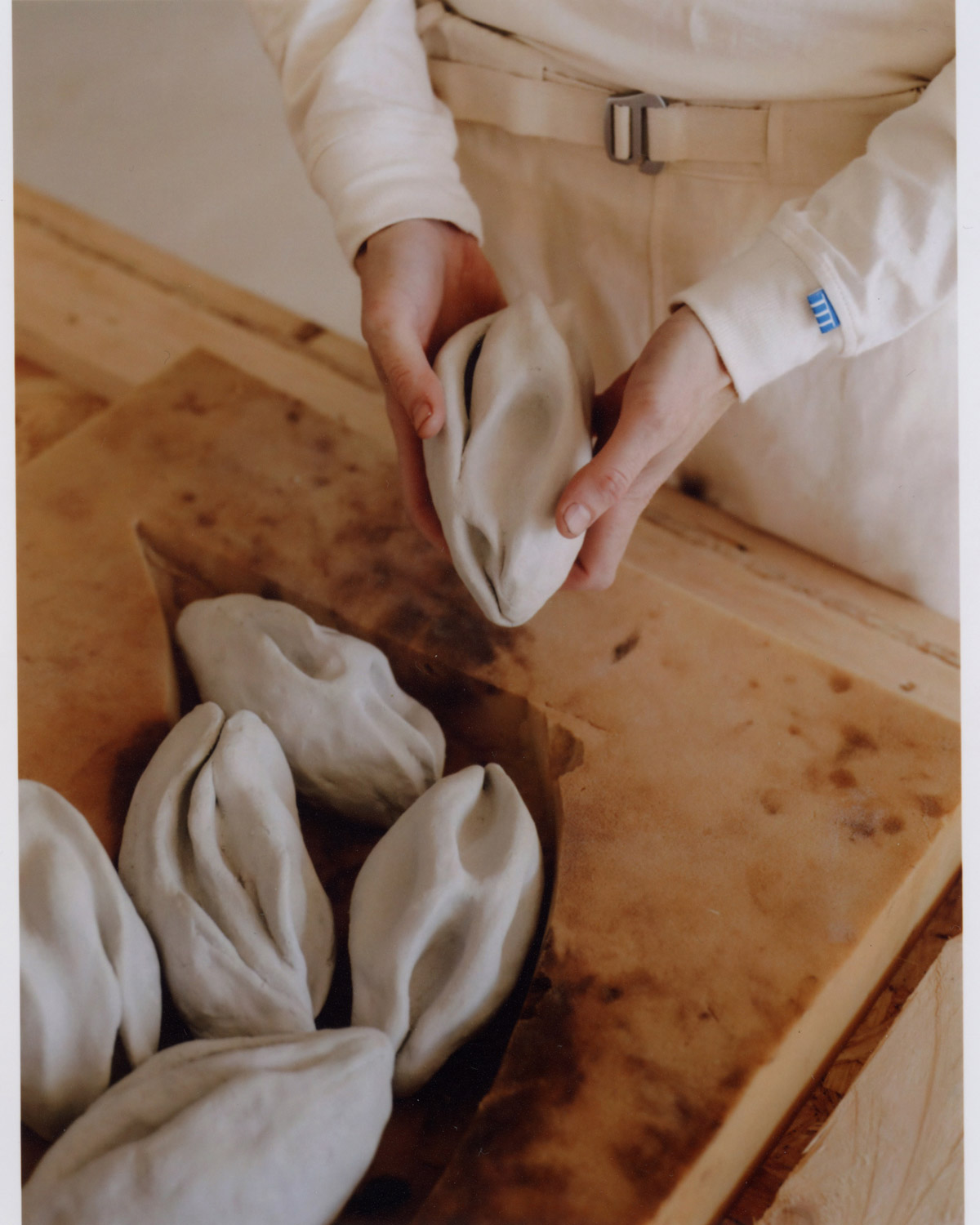
Ceramics are predominant in Berta Blanca T. Ivanow’s work. Her sculptures are the result of very physical labor, where body and raw materials commune and foster a strong sense of feminity. Berta opened the doors of her studio in Teia for us, shared her inspirations, routines around her work as an artist, and
How would you descrive your practice?
Free, intuitive, brave, earthly, passionate.
Where did you learn this craft/art? Was it influenced by a family member or friend, or was it an interest that arose in you and that you kept working on until perfecting it?
On my journey, I have encountered teachers, artists, and women who have illuminated and awakened my curiosity for art. Pat Lipsky in New York taught me everything I know about color. Carme Dapena, my art teacher in school, asked me to draw with my eyes closed and introduced me to Land Art. Dolors Ros taught me how to formulate glazes in l’Empordà, and with her, I was able to create my own ceramic glaze color palette. My mother trusted my instincts and continues to support the decisions and steps I take.
Clay is very significant in your work, but you also use other materials. What is the most physically demanding material you have worked with? How long does it take you to master a new material?
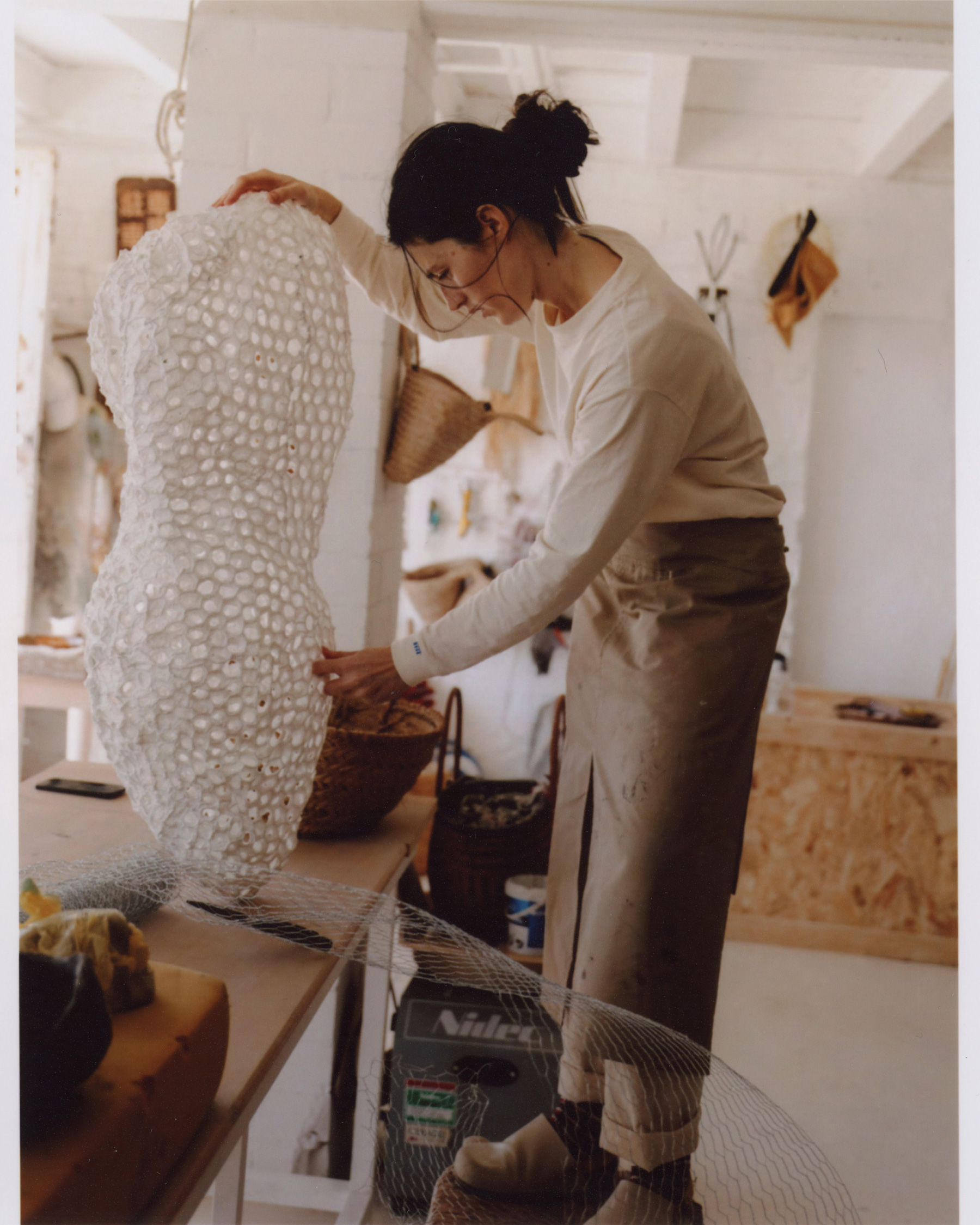
I would say it is not about the material but the scale what makes the work more difficult. Lately, my pieces have been growing in size. And I have had the privilege of hosting wonderful women who have helped me in the workshop: Sarah Stracke from Missouri, Josepha Merz from Berlin, Anel Rinat from Kazakhstan, and Sarah Phenix from Los Angeles. Four hands make everything more manageable. And with the strength and delicacy of women, wonderful things arise.
How is your day-to-day in the workshop? Do you have a routine, or do you improvise based on the work or how you feel?
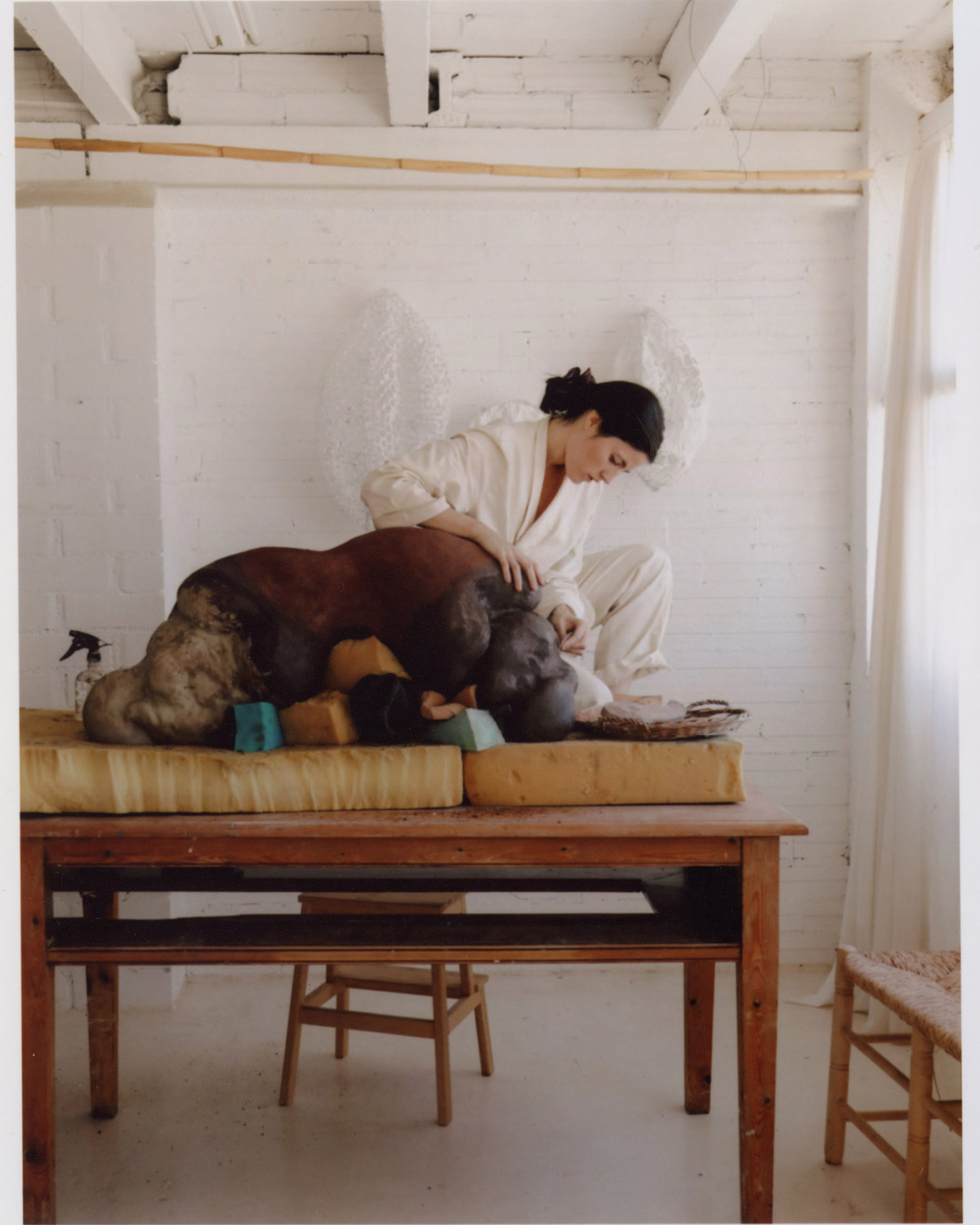
I work in daylight. Never at night. I do have a routine; I go to the workshop every day. And before my son Atlas was born, I also went on weekends. I enjoy my work; it’s my passion. When I was younger, I always told my mother that without being able to express myself through art, life didn’t make sense to me.
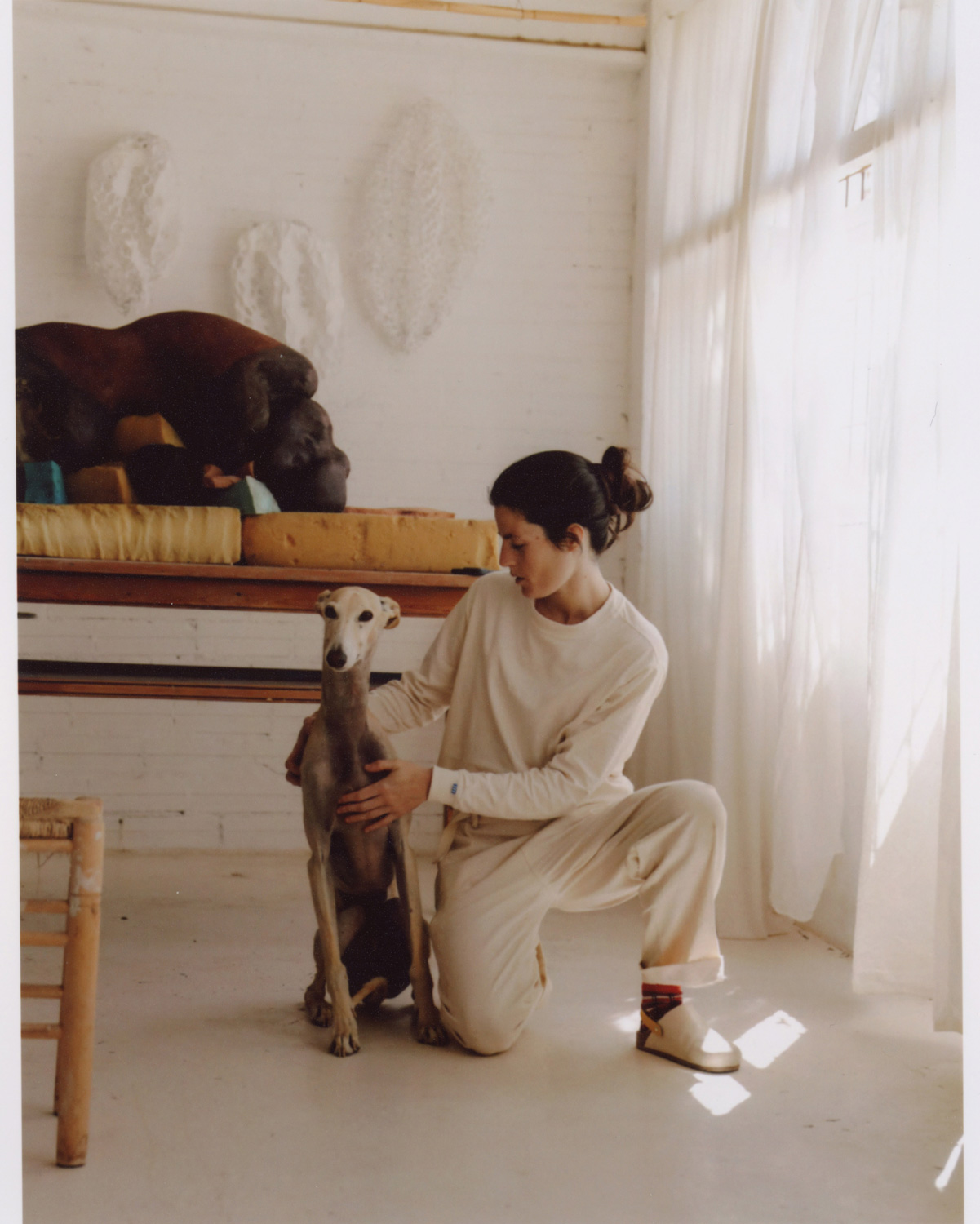
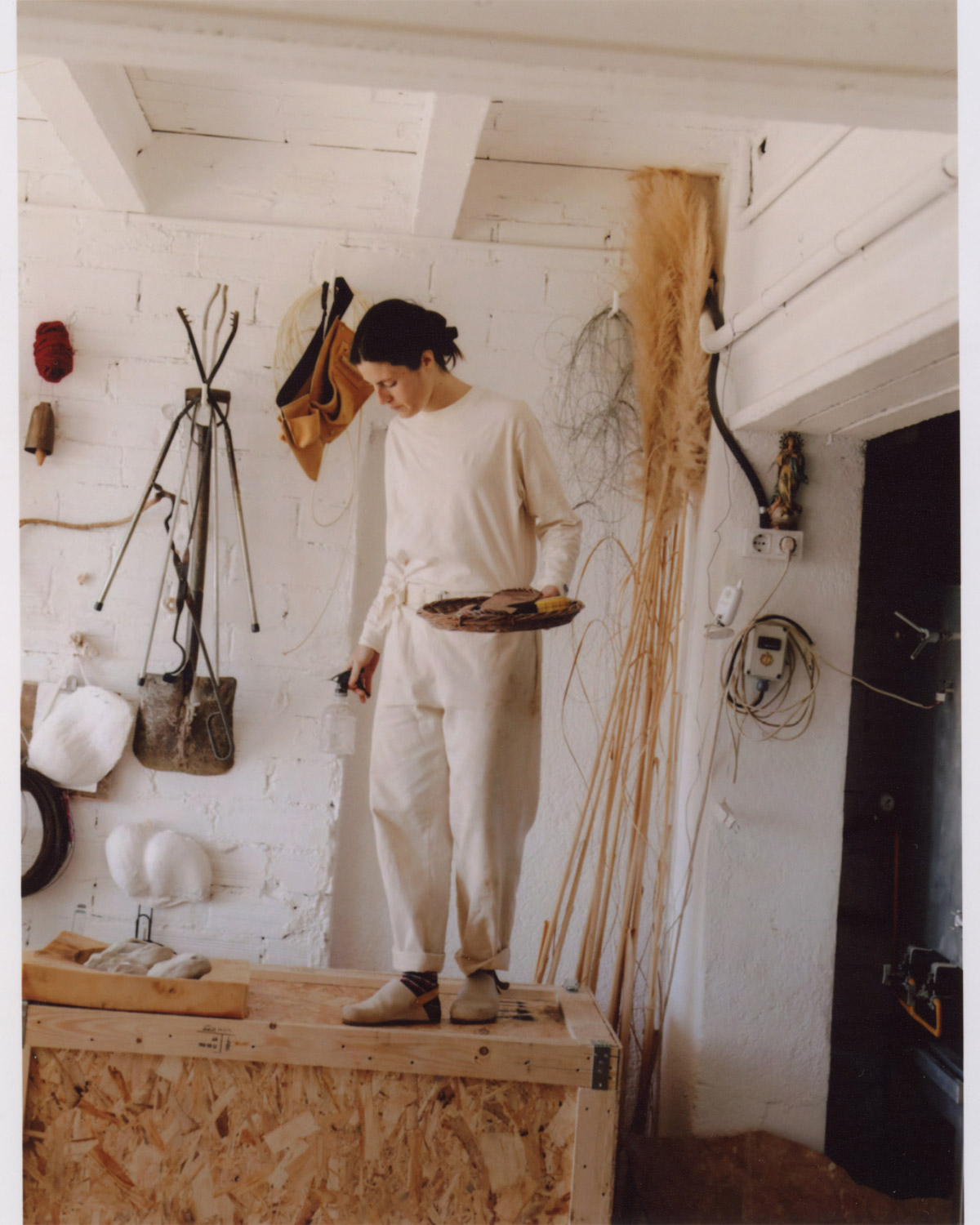
You work in a small warehouse with a view of the sea in Teià. What is it like to work in this environment? Is there a significant temperature difference between seasons? How do you deal with it?
I face the sea with mountains behind me. It’s the Maresme area, and it has a tropical climate because the sea and mountains are so close, which keeps the temperature quite warm throughout the year. I am surrounded by greenhouses with fruit, vegetables, and flowers. I like to think I am in fertile land where things germinate, much like what happens in my workshop. There is not much change between seasons. The only days I don’t work is when it rains, because clay and humidity don’t go hand in hand for building large pieces.
We can see a relationship between art and performance throughout your artistic career, with your creative process being very performative, dynamic, and expressive. How does this affect your comfort when working? Do you need specific clothing for it?During your career, have you had any uniform or work attire that you have special fondness for or that has been especially comfortable and useful? Could you describe it to us?
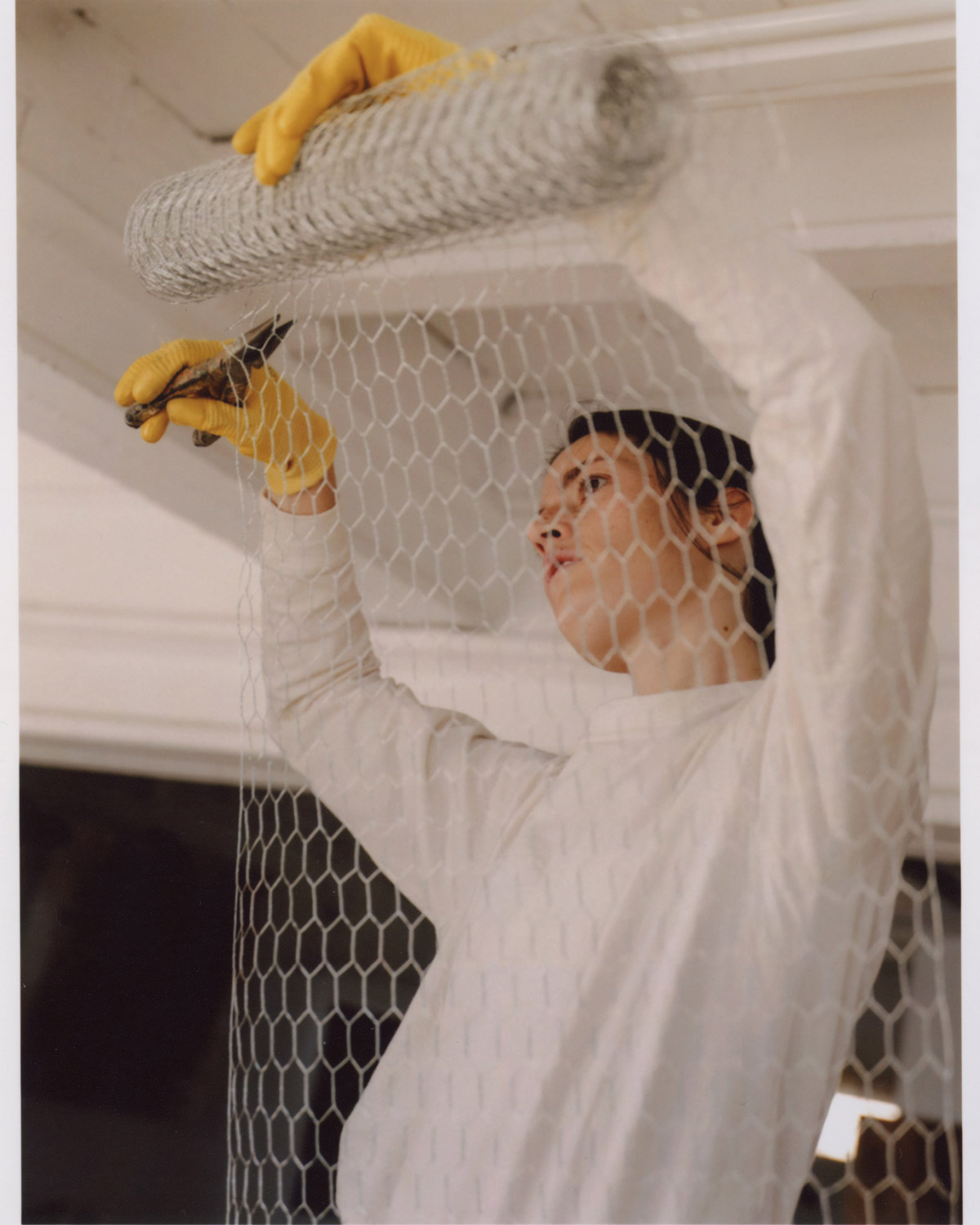
It’s crucial. It’s very physical work, where my entire body engages in the action of sculpting or molding the shape. Whether it’s metal, soap, paper, clay, or any material, I need my clothing to be loose-fitting, not restricting my movements, so that I can flow. It’s almost like a dance. Very sensory, very instinctive, very direct.
During your career, have you had any uniform or work attire that you have special fondness for or that has been especially comfortable and useful? Could you describe it to us?
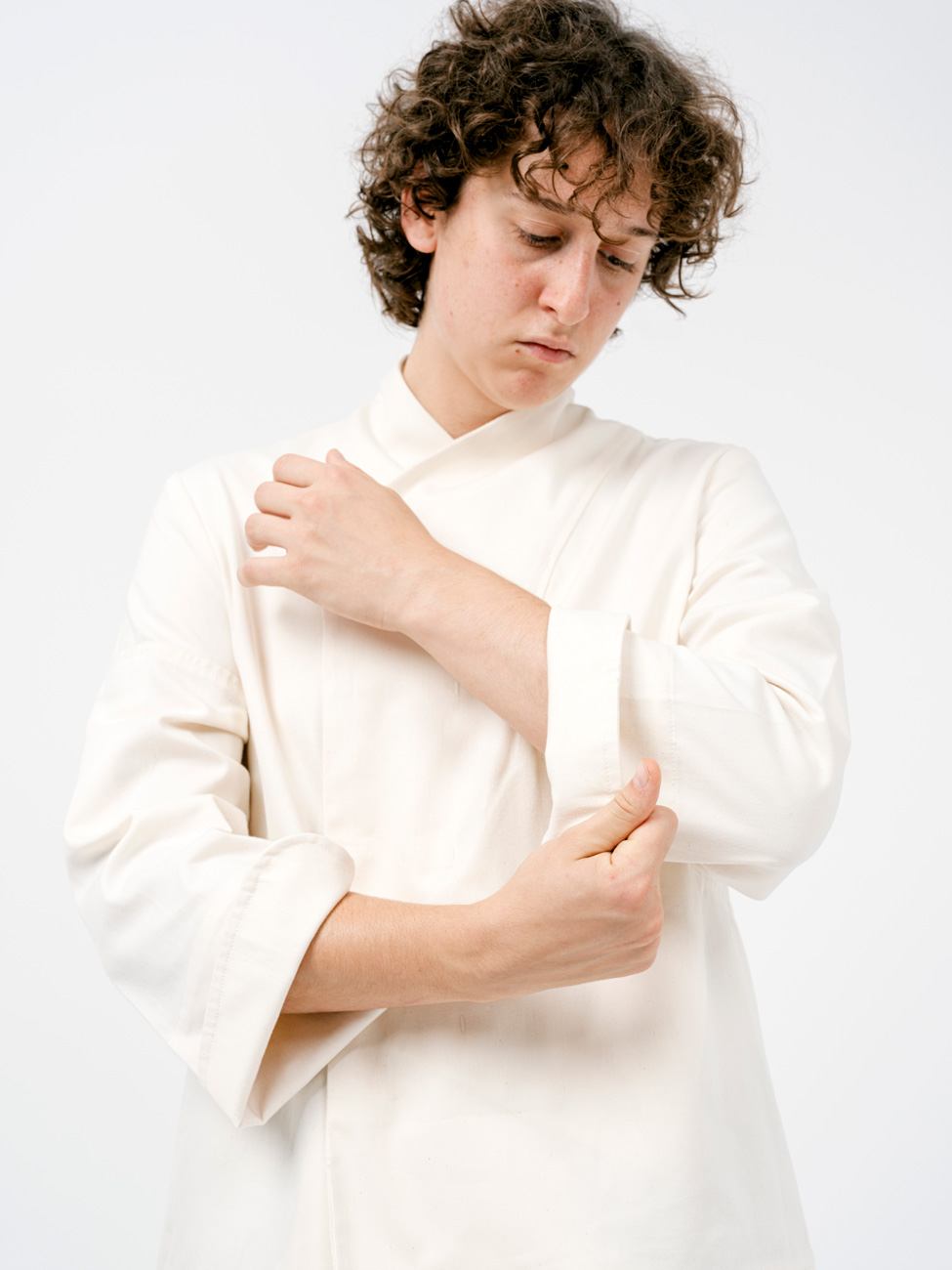
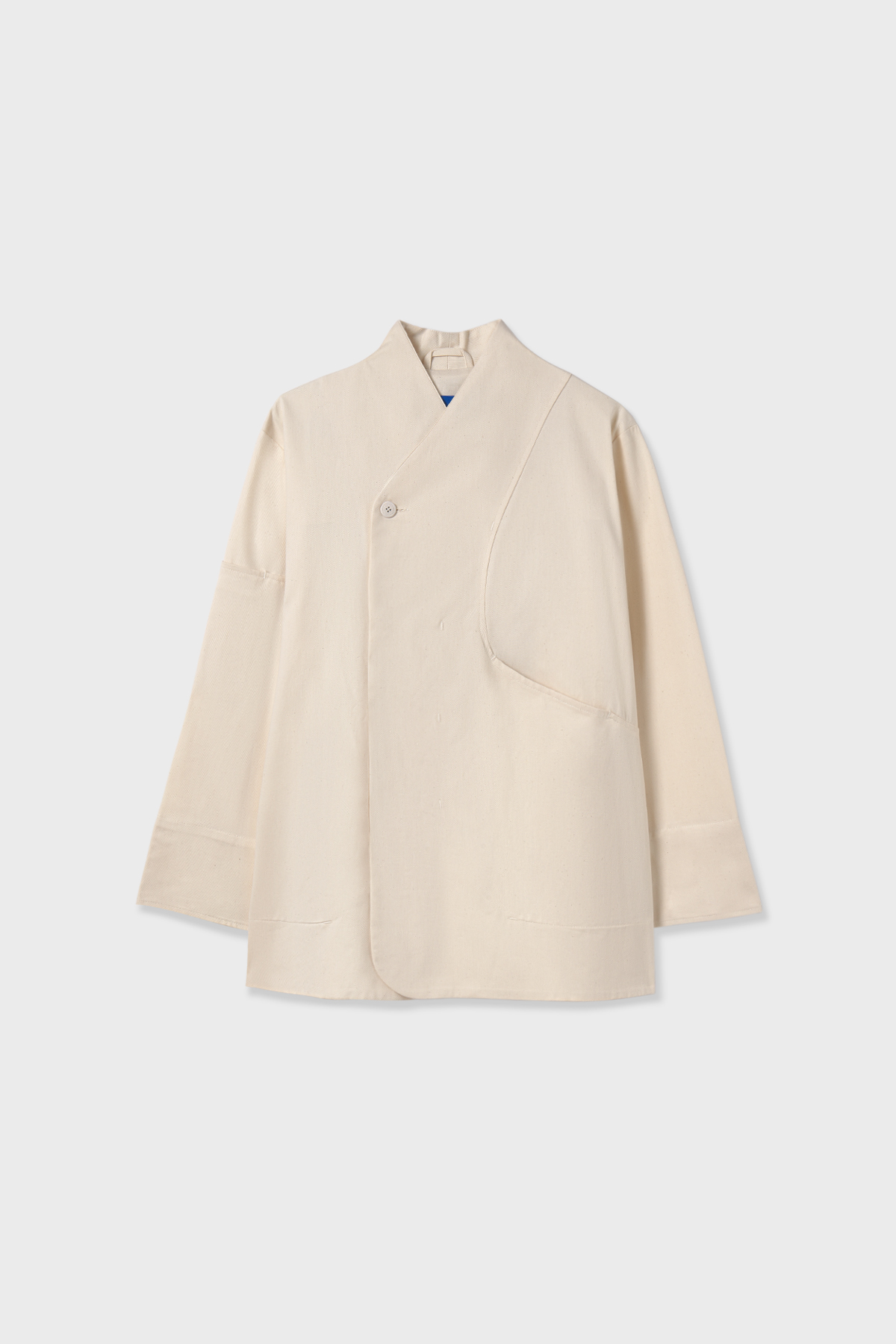
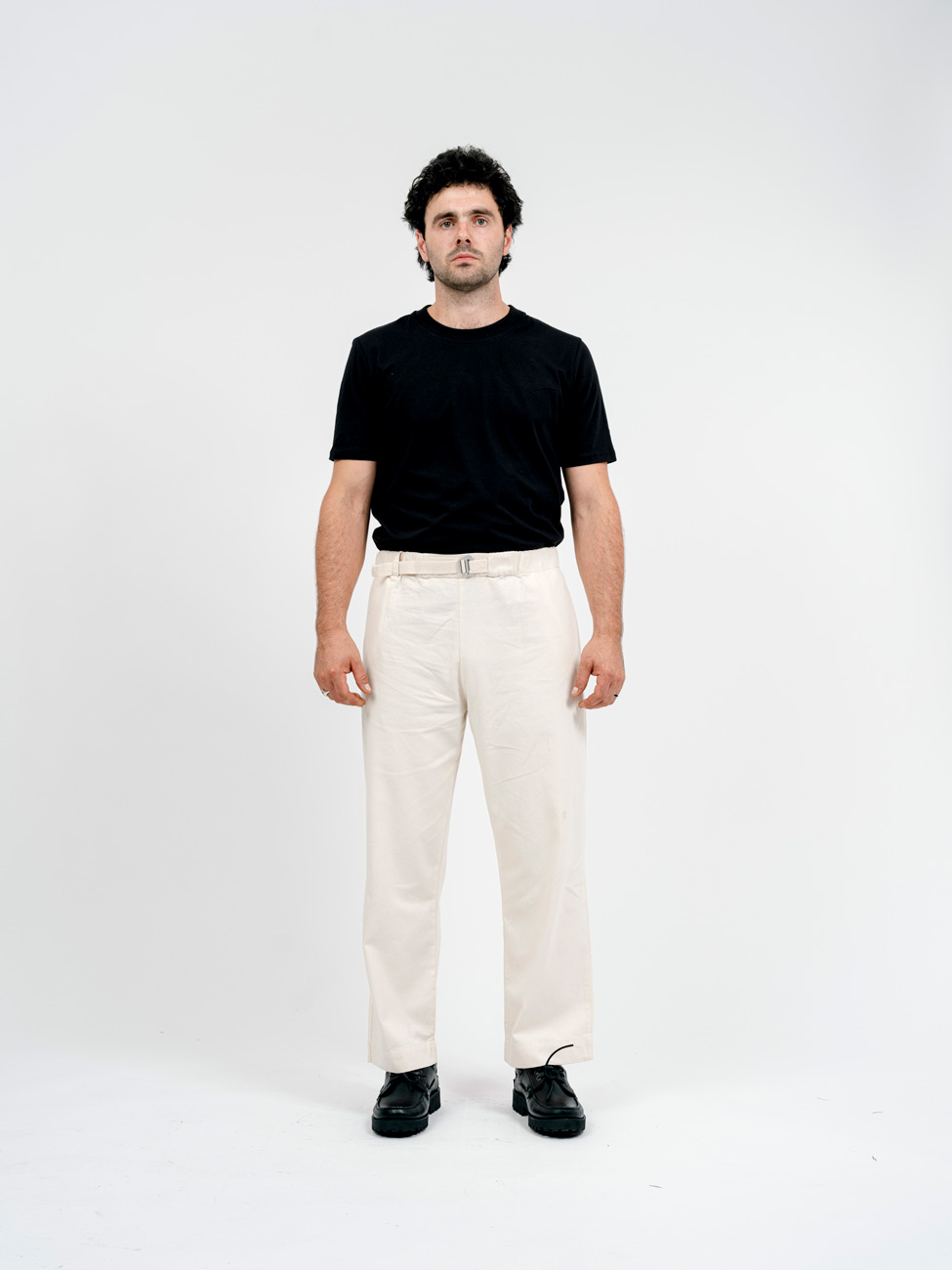
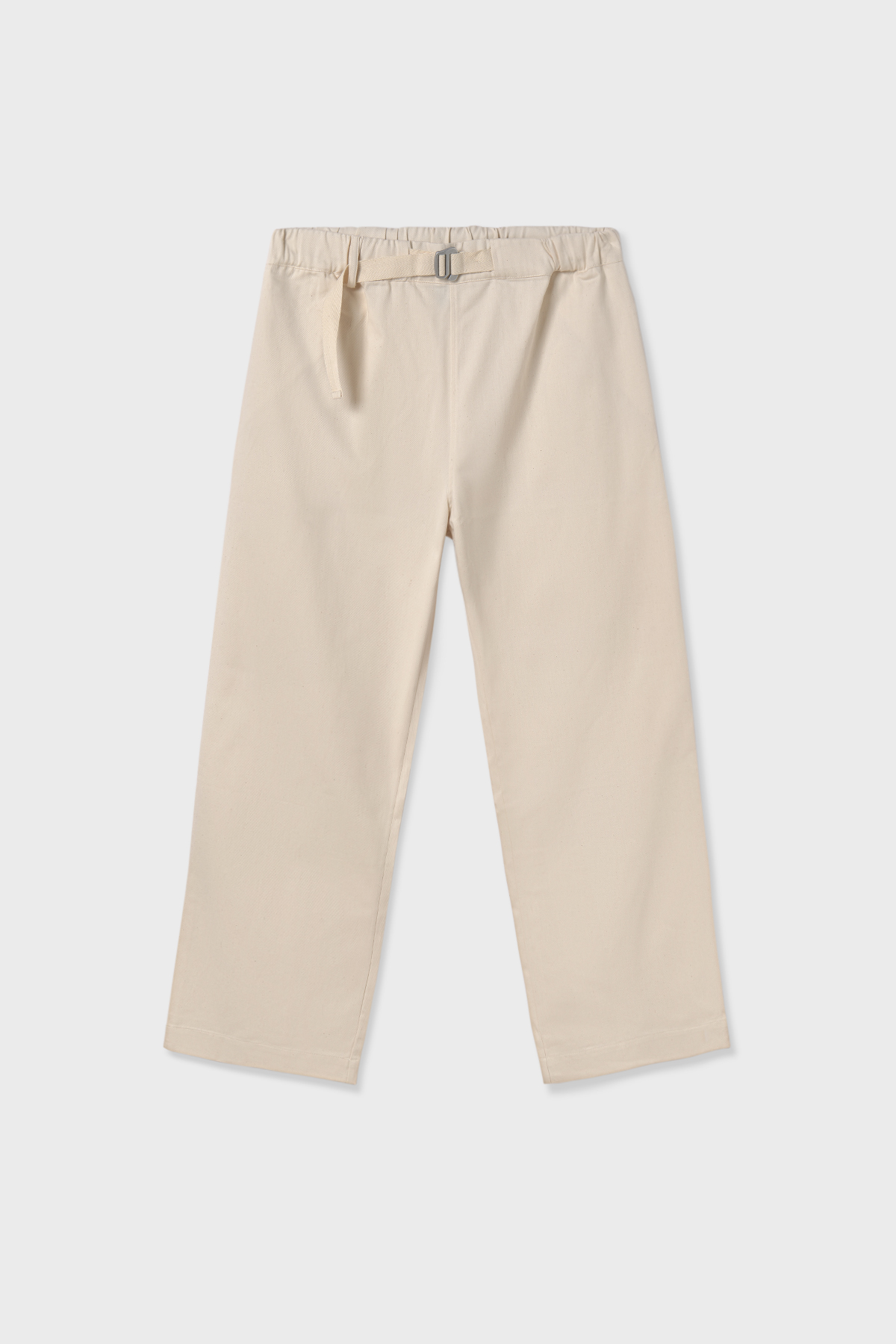
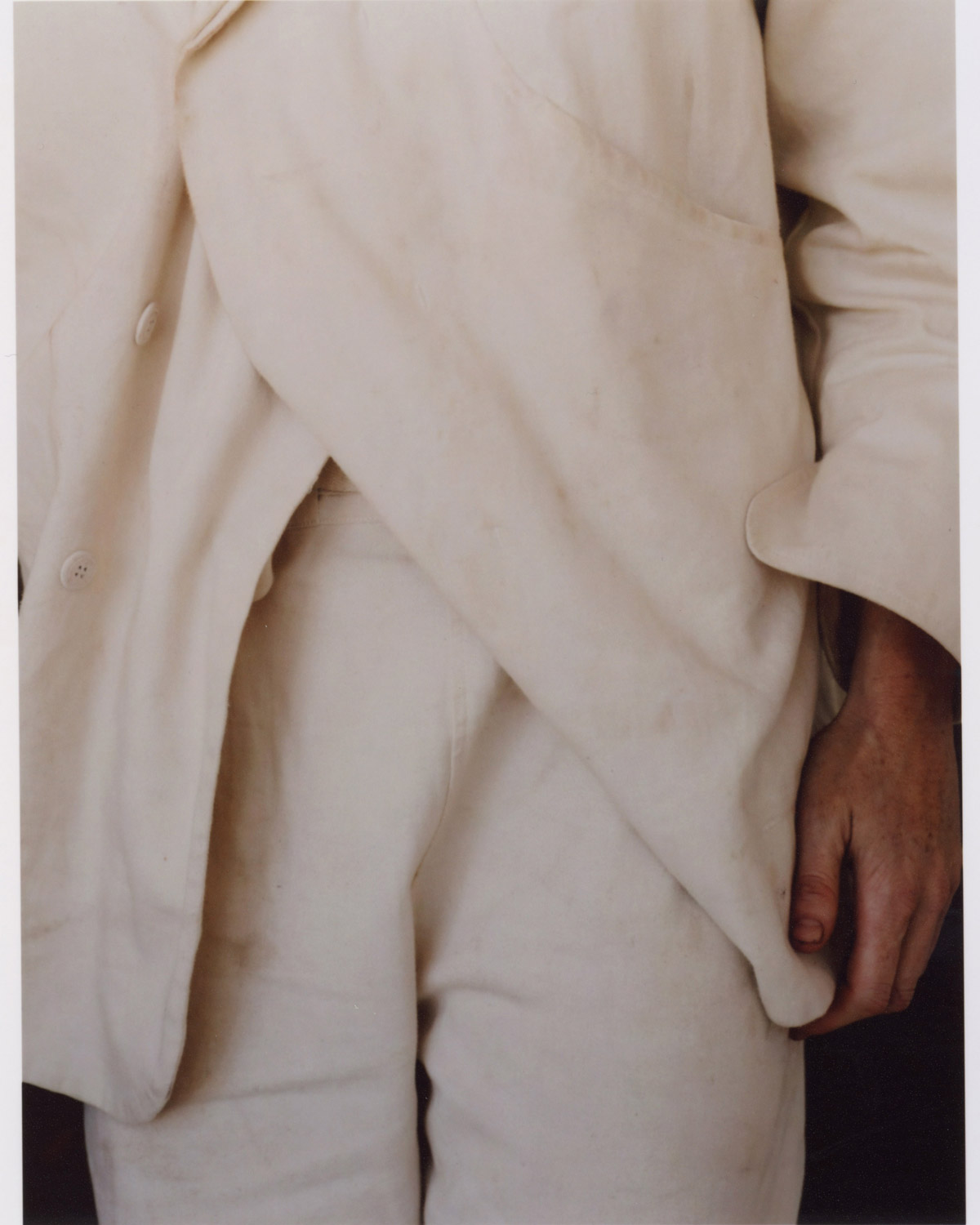
Always cotton or linen. Beige. I used to wear a Nepalese suit: pants, shirt, and jacket, with pockets in the pants. Perhaps it was a bit stiffer, now that I compare it with the clothes from Bastida. It was also thicker, which protected me during the winter cold of the workshop.
I love light-colored clothes, just as I tried to make my workshop completely white, like a clean canvas devoid of information, where I can create whatever I desire.
These past few months you’ve been using Bastida in your workshop, would you highlight any features after using it?
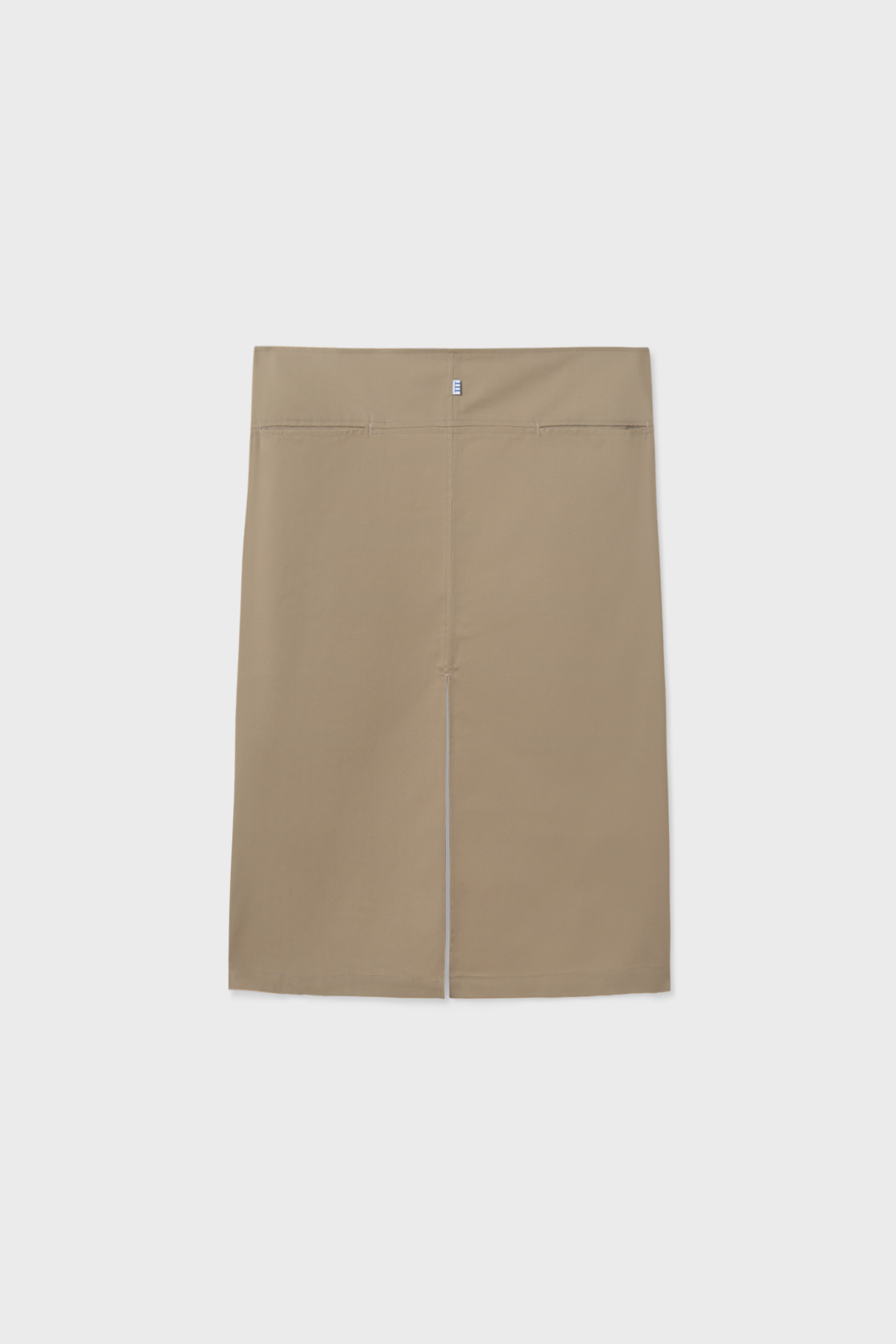
It’s lightweight, and I love that because it allows for agile and unrestricted movements. Many times I adopt uncomfortable positions to build larger pieces, and with Bastida clothing, I’ve been very comfortable while working. The apron with the front cut is also perfect for sculpting work. I also use the Saijo Shirt, which has a very deep front pocket that is very convenient for storing tools while I work.
Artist: Berta Blanca T. Ivanow
Photographer: Iris Humm